
Imaginary Money Beach
The Challengers were directly asking voters: how do we make the beach worth coming back to? And the entire political establishment dismissed that question as not mattering.
Running Anyway: What the Experiment Taught Me
Thanks to everyone who participated. It’s been great getting to know you, hopefully I’ll see you again soon!
Oz Sighting #6: Voters Aren’t Dumb
The Parts of Running I Was Most Afraid Of
I think we should offer and expect our leaders to be human.
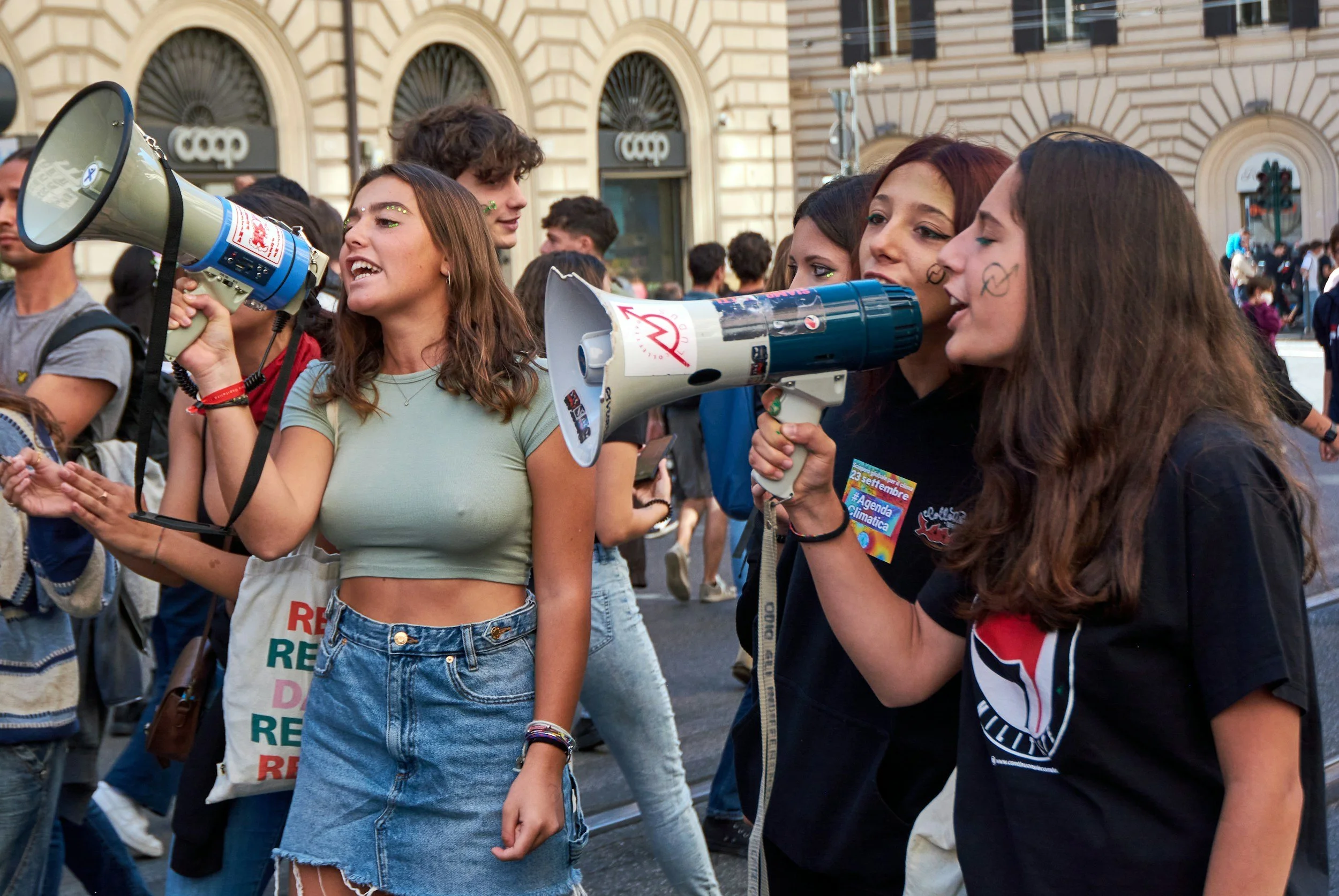
$20 Million to Lose: Where Oregon Democrats' Campaign Money Actually Goes
What if instead of sending $14.6 million to Virginia and DC, Oregon Democrats recruited one or two students from every high school in the state, paid them $25 an hour for a six-month campaign cycle, and deployed them in their own communities?
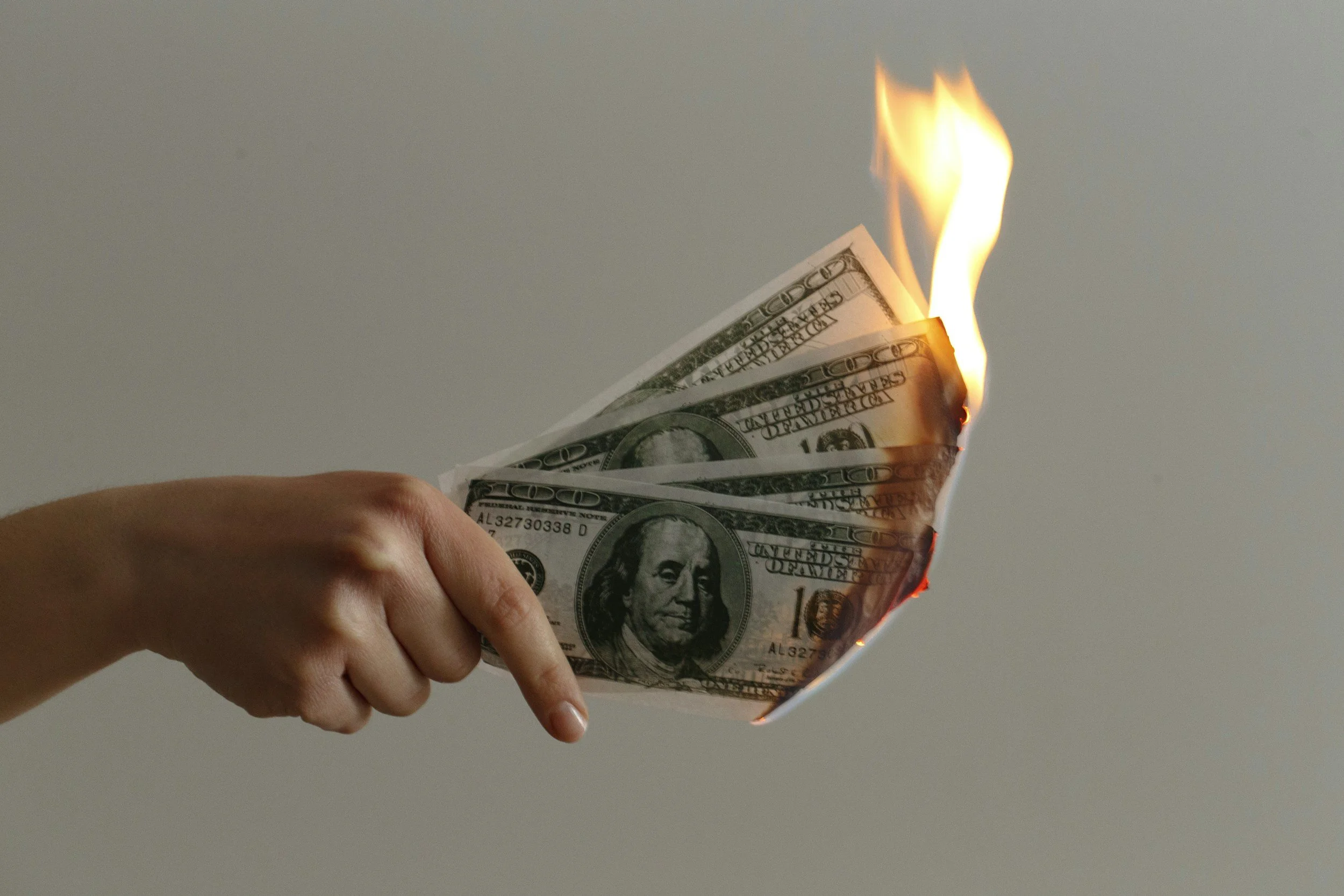
Oz Sighting #5: The $3,000 Paragraph (The Scarecrow’s Logic)
It costs $3,000 to appear in the Oregon Voters' Pamphlet.
I couldn't afford it. Seven people wanted to help me get there. Every single one of them was already stretched.
That's not a fundraising failure. That's the system working exactly as designed.

Retirement and Immigration Are Standing in for a Broken Labor System
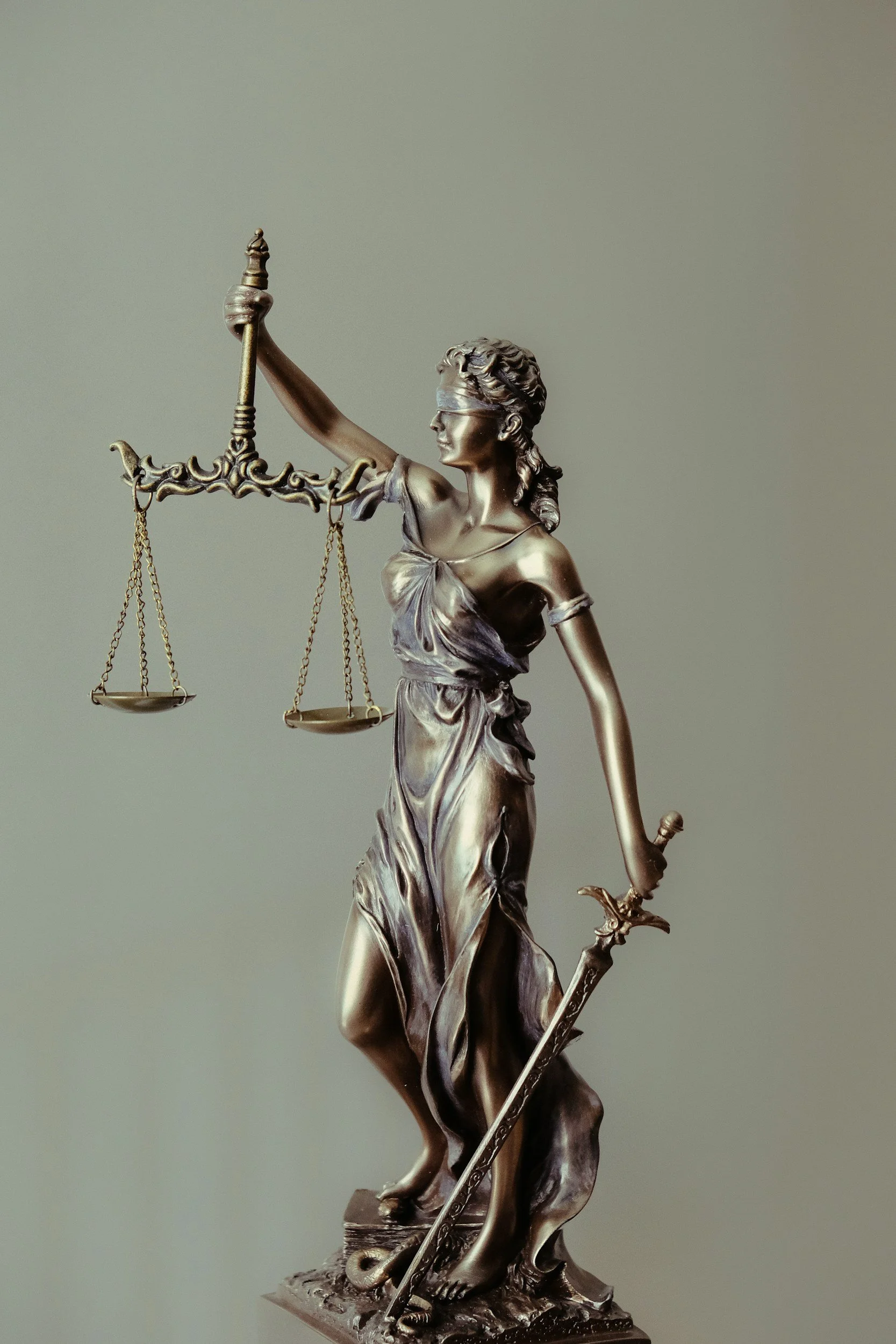
What Is Law, Actually?
There’s a saying I come back to often: If the penalty for breaking a rule is a fine, then that rule only exists for people who can’t afford to pay it.
People understand that. They may not say it in policy language. But they feel it, and when that gap goes unaddressed for long enough, something shifts. Trust erodes, not all at once, but steadily.
Who Pays When Wall Street Miscalculates? Not Wall Street.
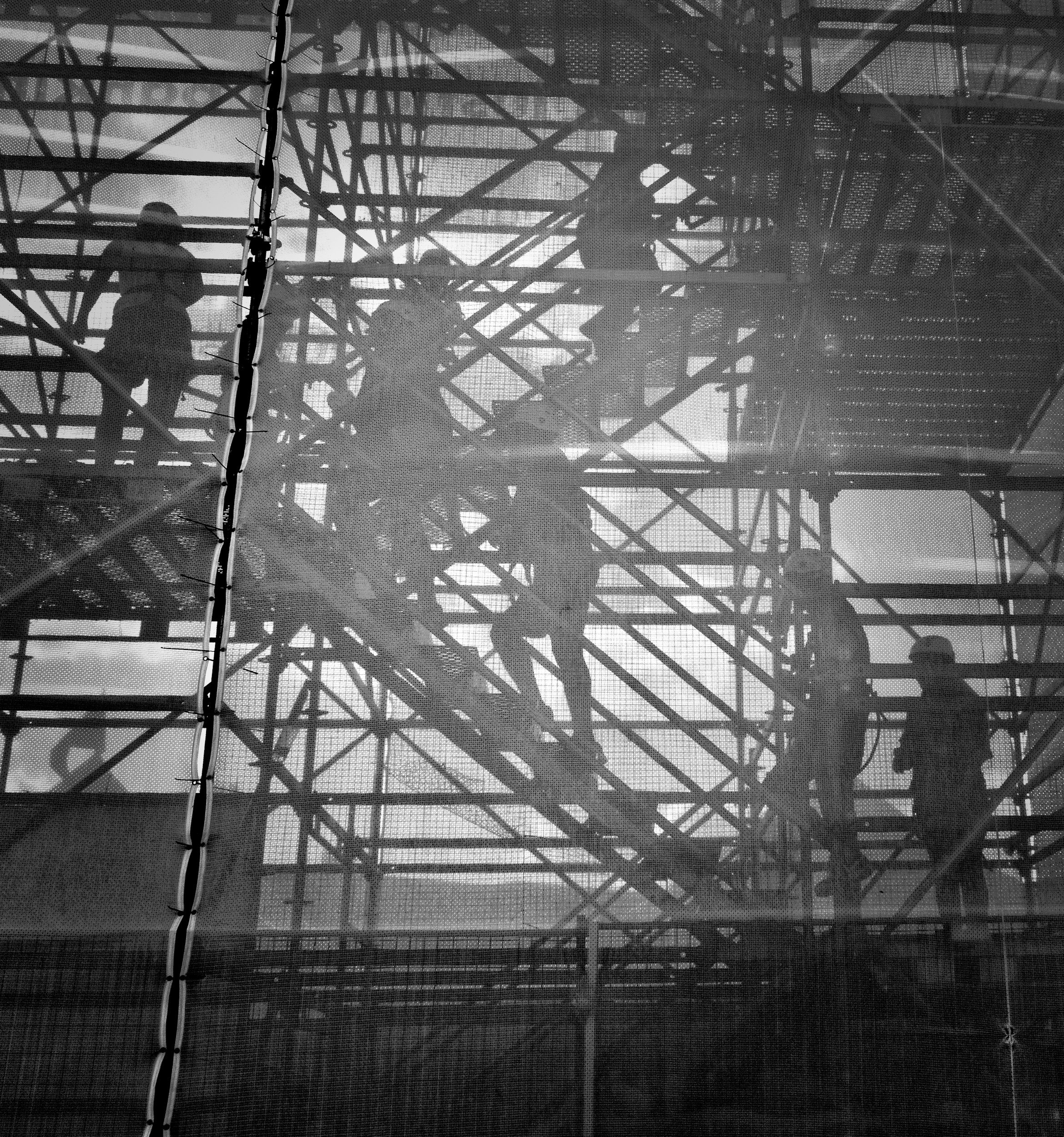
Oz Sighting #4: The Union That Stopped Listening
I believe in unions. I still do.
But belief isn't the same as silent support.
This is Oz Sighting #4 — what happens when any system stops listening to the people it's supposed to serve.
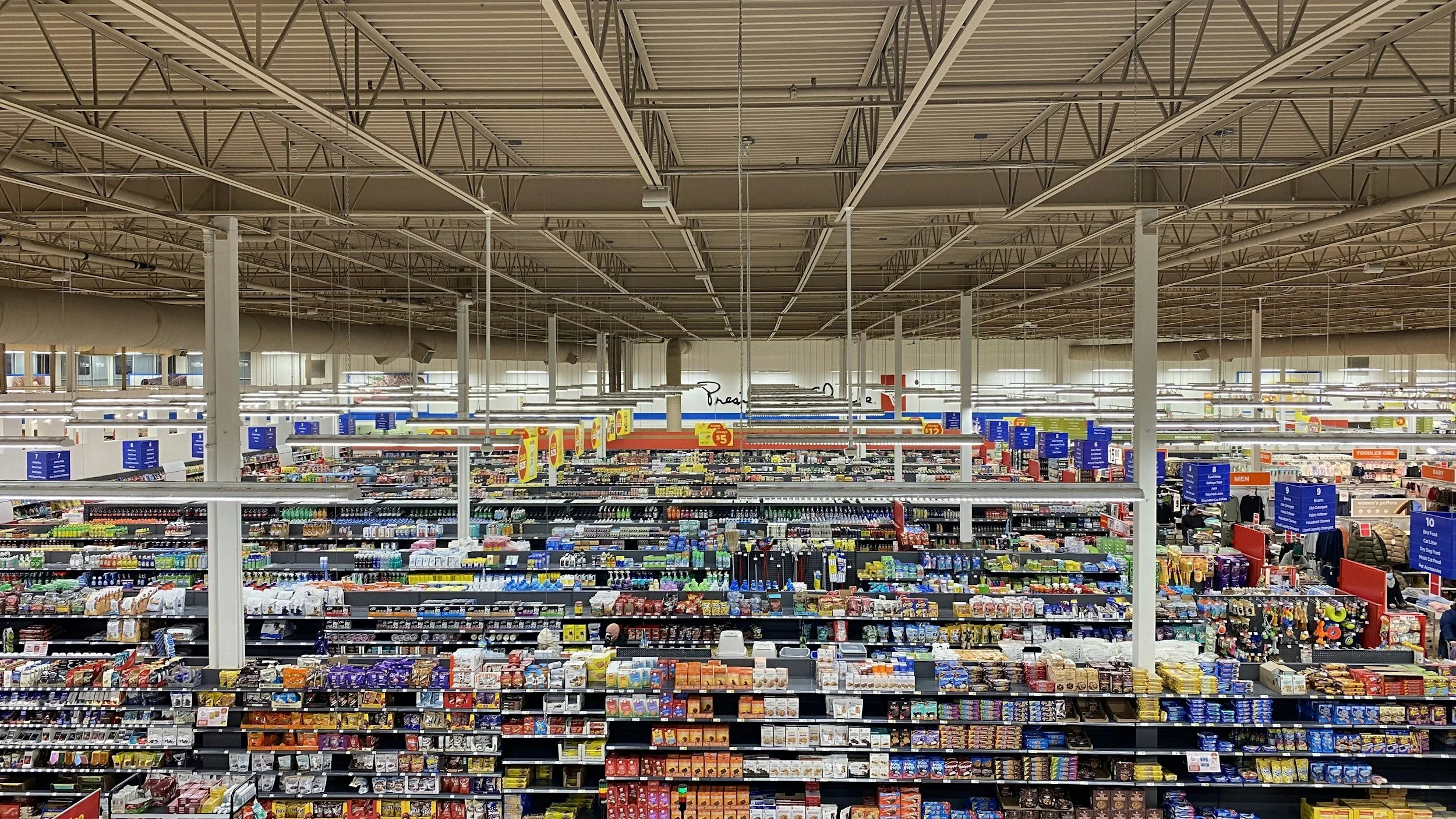
What Safeway Is Teaching Me About Work
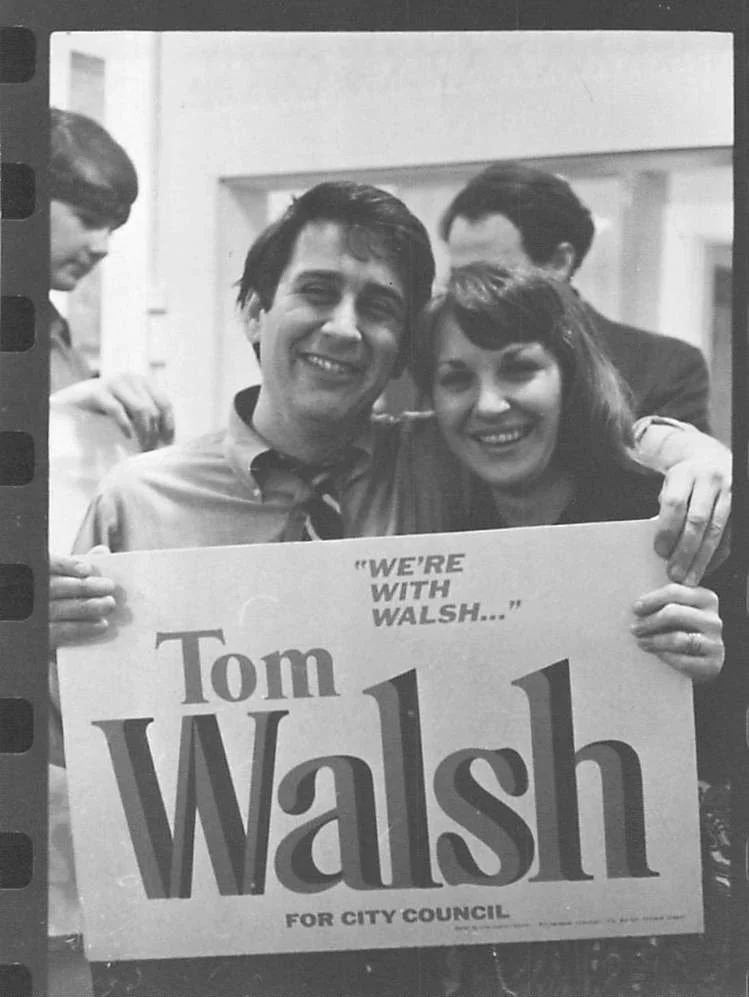
A tribute to Jerry Weigler
My dad was my first experience of politics. He confidently advocated his beliefs and was always willing to take on bullies (mine and in the public sphere) on behalf of things he cared about. Many people in Oregon will remember him, often fondly, or still slightly salty about his many public battles and the friendly coalitions that somehow survived them. My dad didn't do politics for personal gain. I come by my earnestness honestly, even though not many people got to see that side of him.

Violence Is a Public Health Crisis — And We Know How to Treat It
Treating violence as a public health crisis does not mean abandoning accountability. It means refusing denial.

The Time/ Dignity Test

Executive Dysfunction
Those with resources outsource executive function.
Those without are told to “manage better.”

Why DOGE Missed the Most Obvious Opportunity in Government
With genuine expertise in database management and UX design, DOGE could have approached tax filing the way a serious product team approaches a broken user experience: map the pain points, reduce unnecessary steps, build in real-time guidance, and design for the people who struggle most with the current system — not the ones with accountants and lawyers.

Oz Sighting #3: The Caucus That Wasn’t There
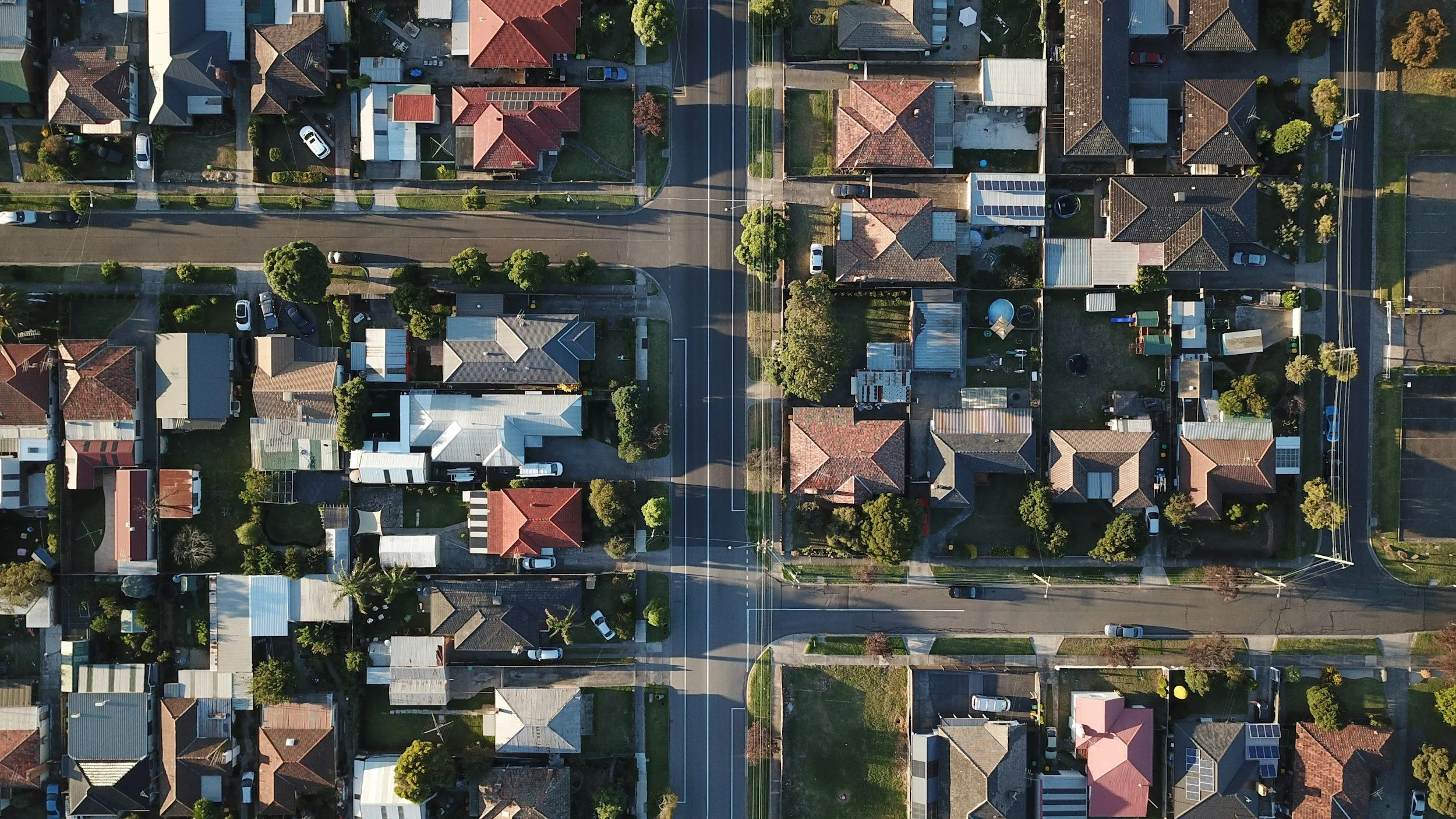
Social Depreciation and the Financialization of Housing
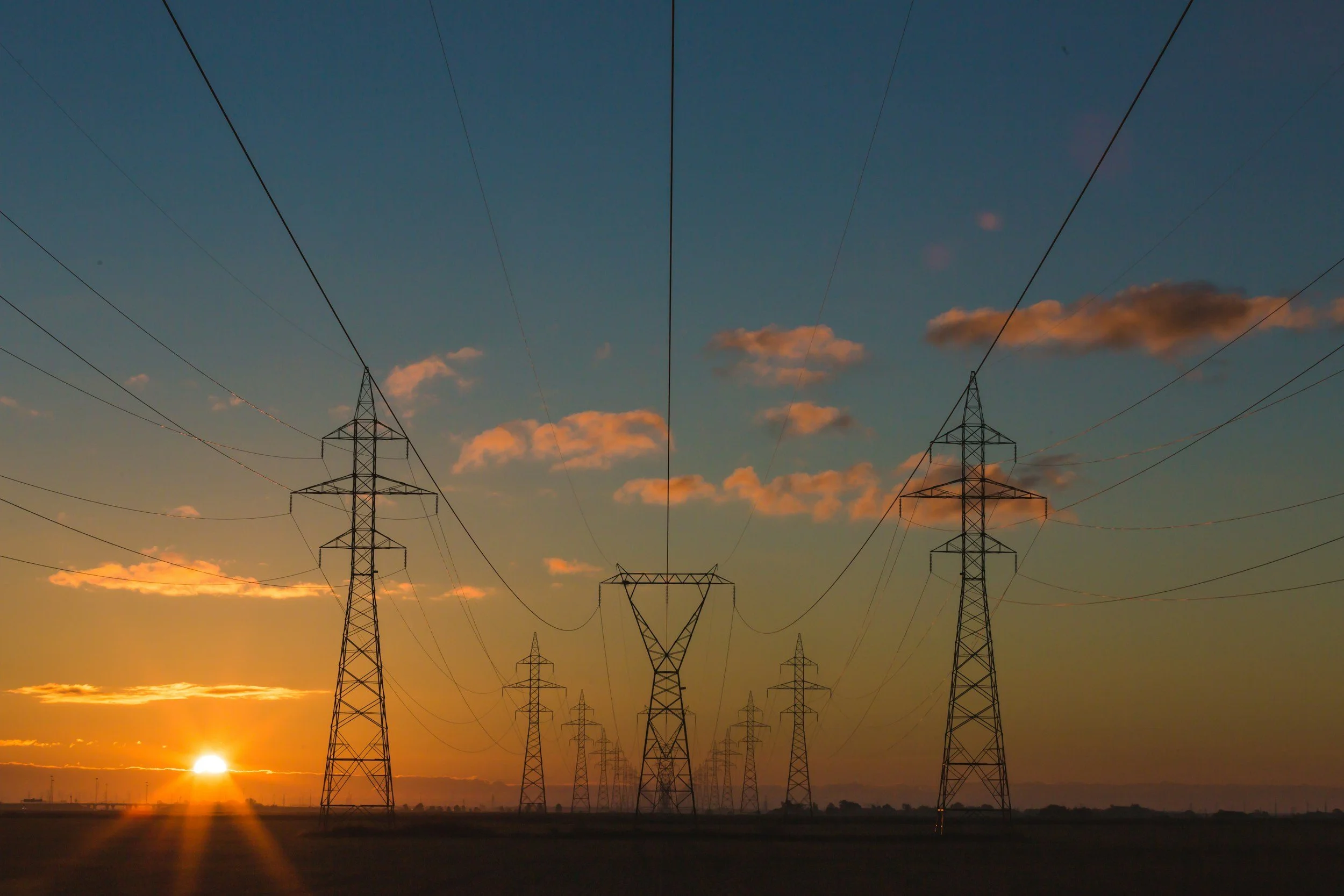
Sure, Build a Data Center in Oregon, But Pay the Cost.

An Oz Sighting: Senator Reynolds and the Bill That Got the Wrong Villain
"Marijuana" is not a neutral term. It was introduced deliberately in the 1930s by Harry Anslinger, the first commissioner of the Federal Bureau of Narcotics, specifically to create a racial association — to link cannabis to Mexican immigrants and Black jazz musicians and manufacture public fear. Young Oregonians know this. Anyone who has spent real time in the regulated cannabis industry knows this. When an elected official uses that word in 2026 to frame a policy intervention, it tells you something about which conversation they think they're having.
It's not the conversation Oregon's cannabis industry needs to be having right now.